The Groyne (Reef)
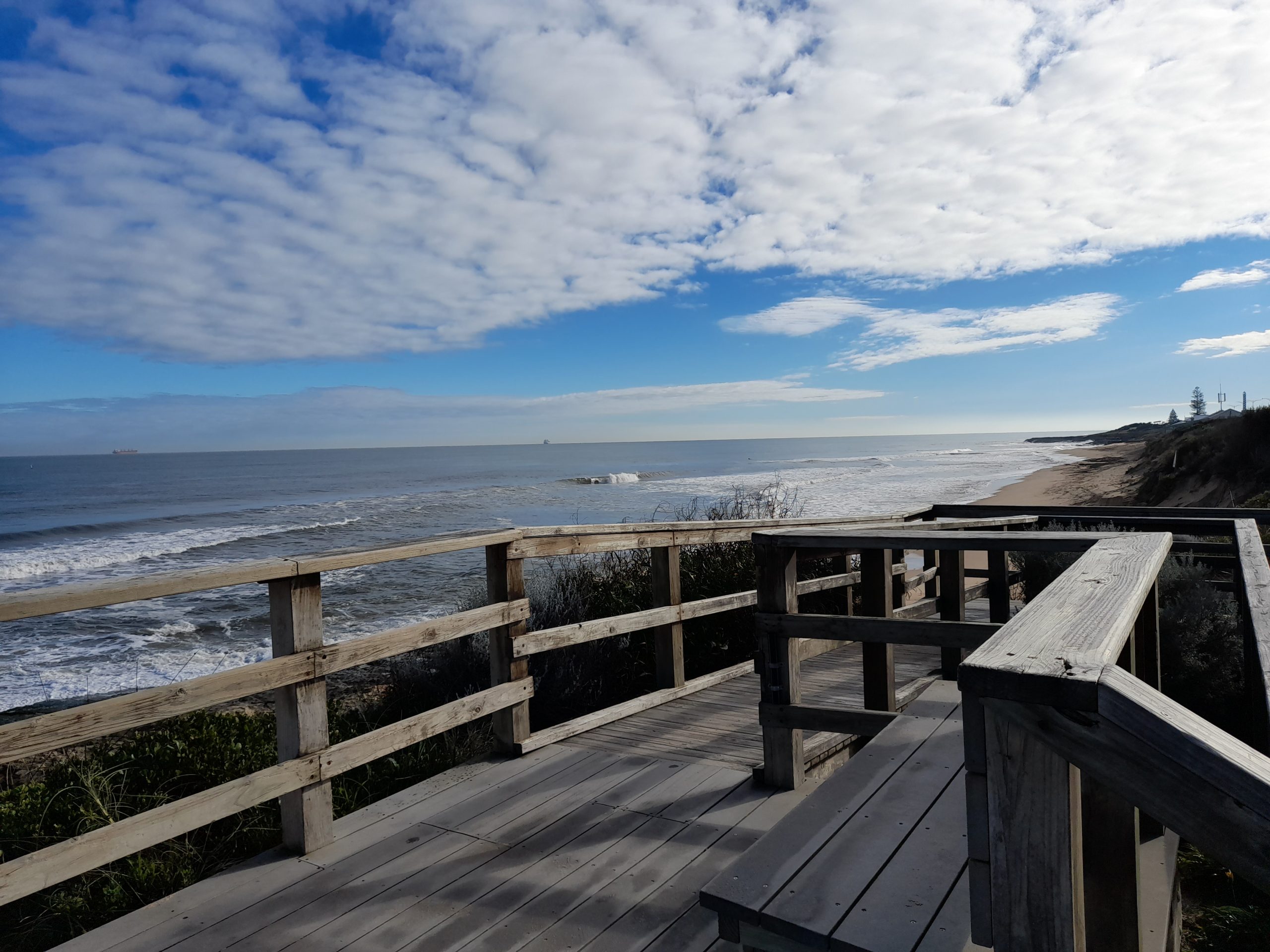
The ‘Spur’ Groyne is a granite-rock structure introduced in the mid-twentieth century to promote wave-breaking and de-energising of the intense Indian Ocean seas and swells from disturbing operations within Bunbury’s developing industrial port.
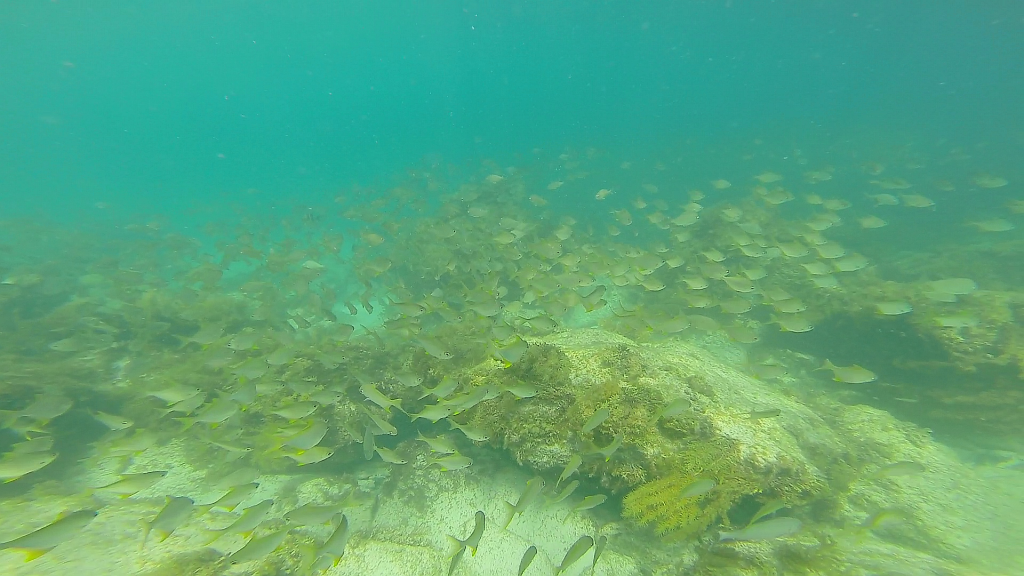
Six decades of relatively pristine marine conditions have helped seaweed and algae to establish over the hard granite-rock used to construct the groyne. The fierce ocean energy from both northern and southern swells over time have also mobilised the massive 2-tonne boulders to provide an artificial reef around the groyne. The cracks, crevices, and compartments between the rocks comprising the reef provides a comparatively abundant community of fish and other species within just a few metres of rocks jutting from the groyne base.
The Groyne and its granite-rock reef provide a clear example that the material provides a habitat that supports fish communities. The contrast in plant and animal types found between marine communities at local limestone or introduced granite rock reefs is also evident. Granite’s utilisation over or around existing limestone shorelines or reefs, and subsequent impacts to local calcareous marine ecological communities, will require the highest level of Australian environmental assessment through a Public Environment Report (PER) or Environmental Impact Statement (EIS)