Clam Reef
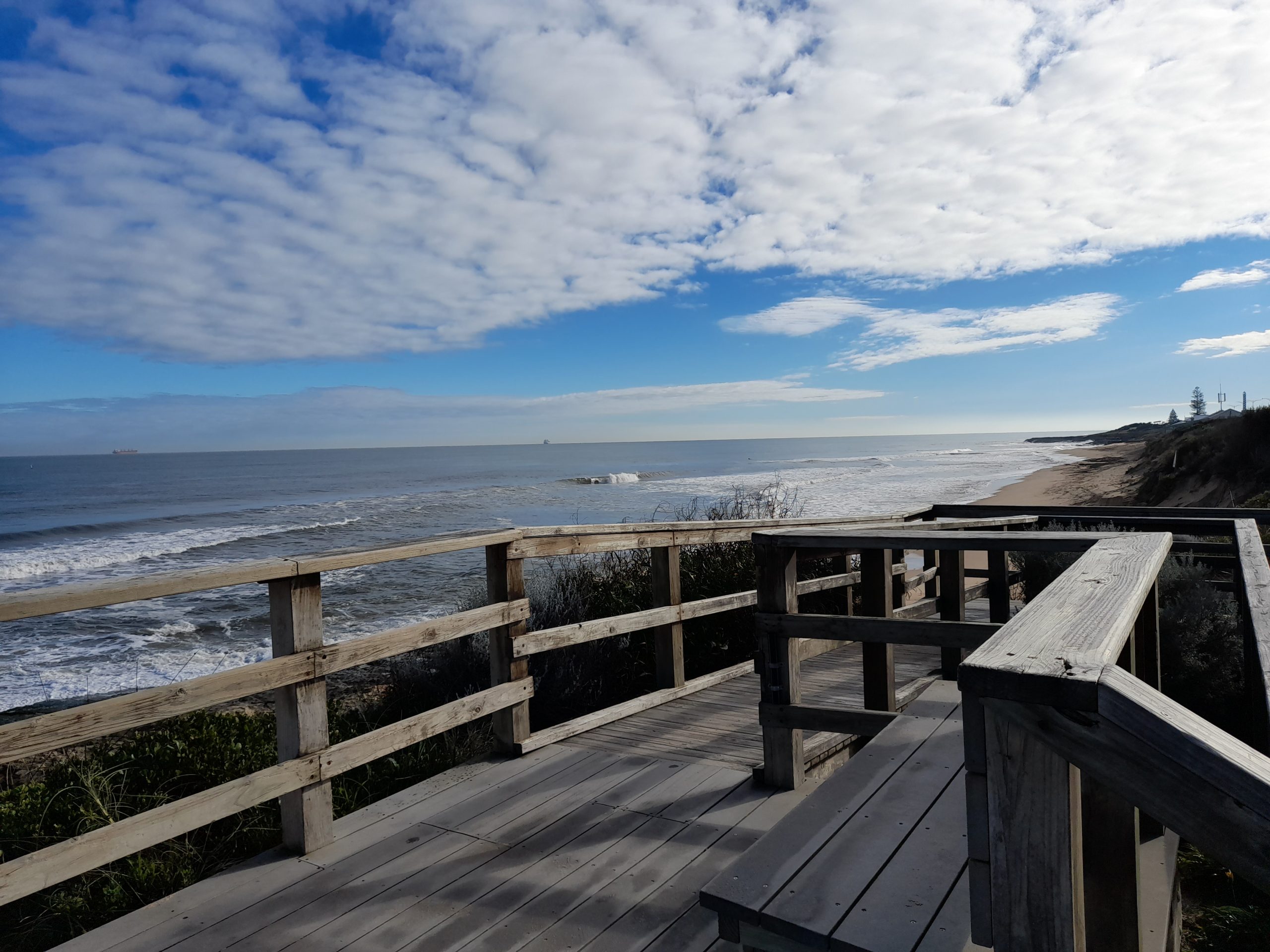
Hungry Hollow Beach is the doorway to our closest beach escapes in Bunbury… everyday providing snorkeling, fishing, and surfing!
Looking after this habitat, for our local marine life and for our ongoing enjoyment, is easy… minimal disturbance.
Major changes to habitat.. to the long existing balance of life that has a home in this space… can take these precious treasures away from our doorstep.
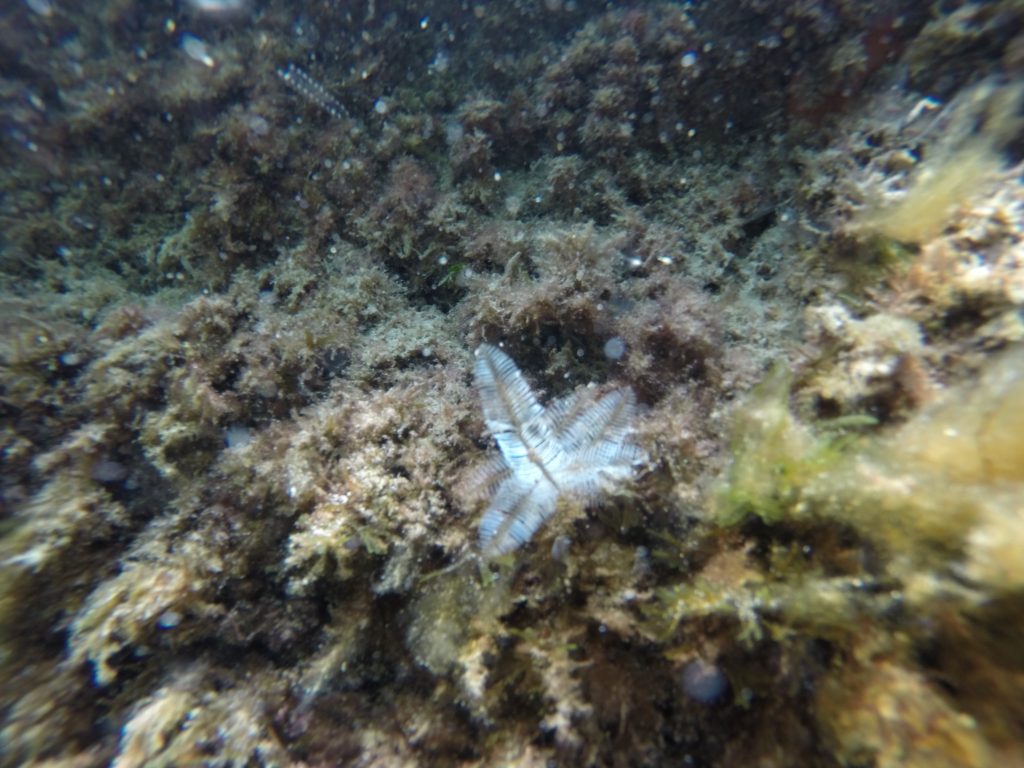
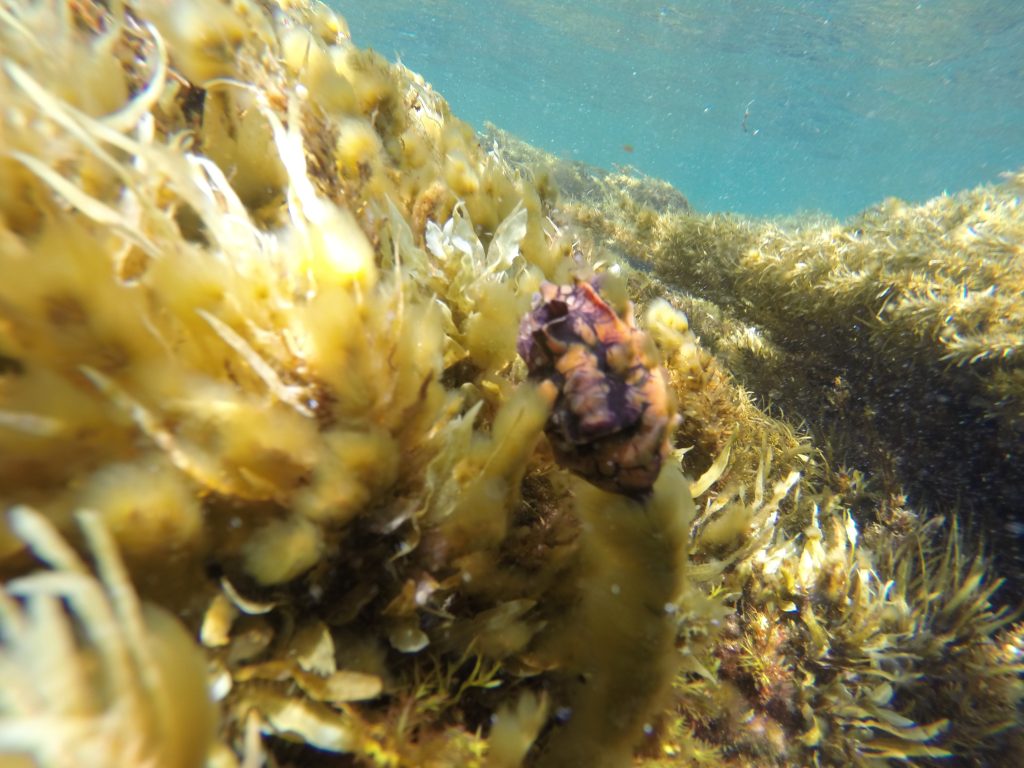
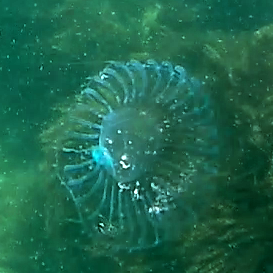
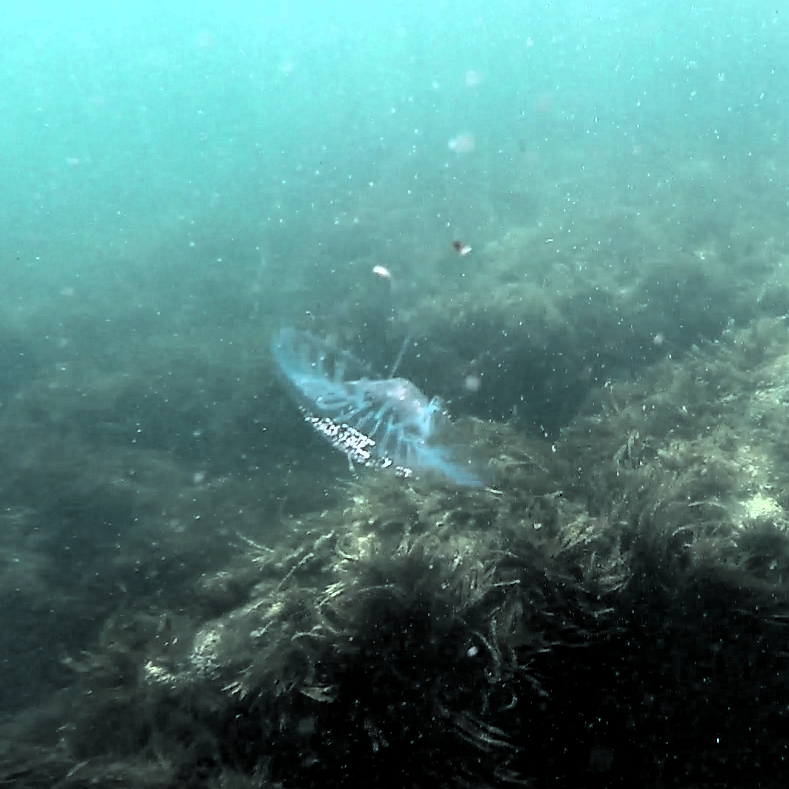
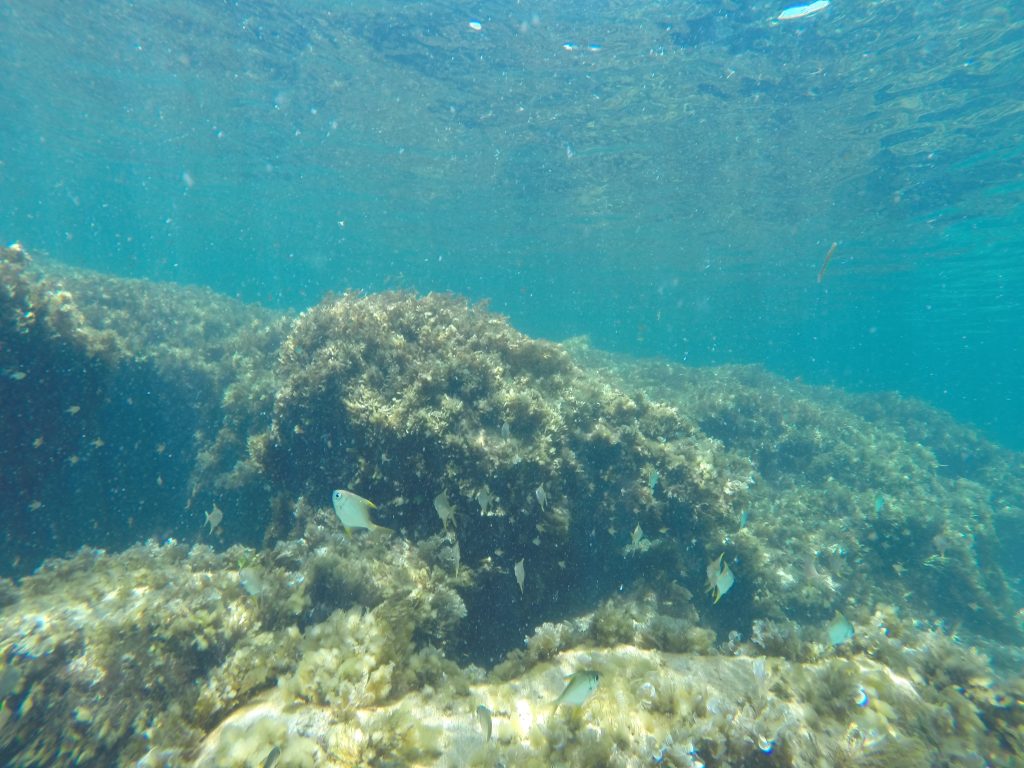
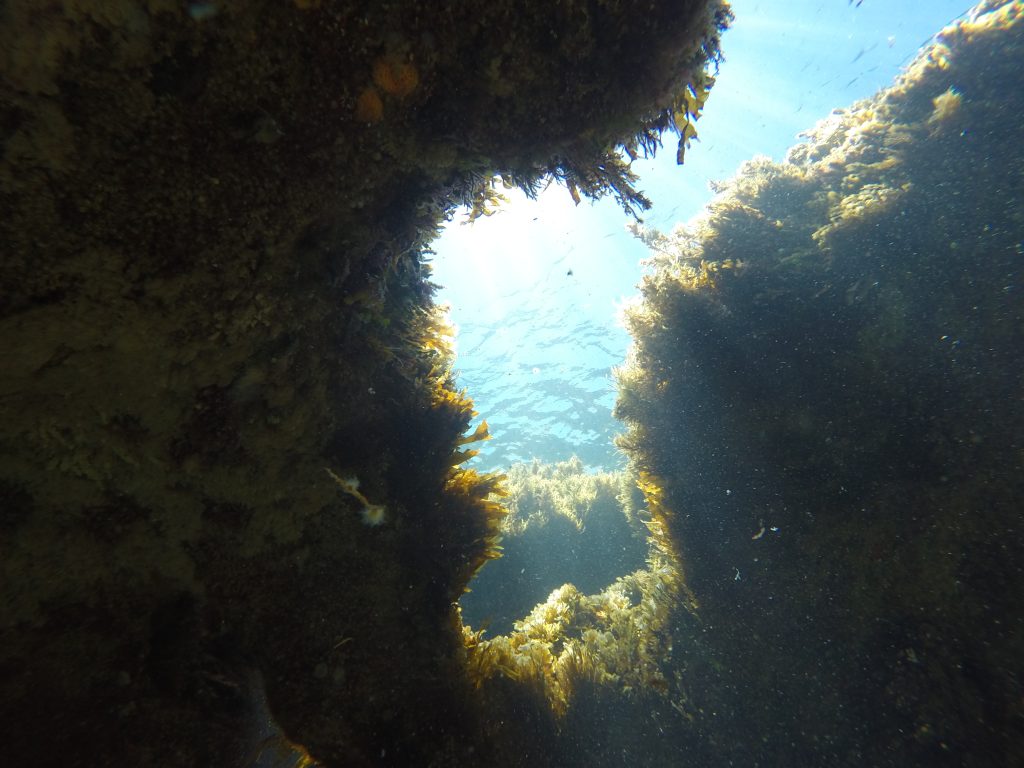
Clam Reef sits metres (like three!) from the waters edge of Hungry Hollow Beach. The small reef provides shelter from the currents and is essential in forming the small sandy bay of Hungry Hollow Beach. The calcareous sedimentary rock also provides the soft calcium-carbonate for many forms of organic life to adhere, bore, calcify and construct a seasonal or longer term residence. The diversity of auto- & hetero-trophic organisms utilising the limestone base and symbiotically supplying the greater ecosystem assemblages, including the fish that both we and the dolphins chase, is key to the world-class quality of Hungry Hollow Beach and greater Bunbury’s inshore marine zones.
- NOTE – GRANITE ROCK IS NOT LIMESTONE. Granite is very hard, smooth, and difficult for animals and plants to attach. Granite in the marine environment requires decades to support minor assemblages of algae and some flora. Granite does not support the same ecosystem species as limestone. (Branch, M. C. (2000). BIOLOGICAL DATA OF THE MAJOR BENTHIC HABITATS IN THE GEOGRAPHE BAY., W.A Dept. PIRD)